

Application Notes

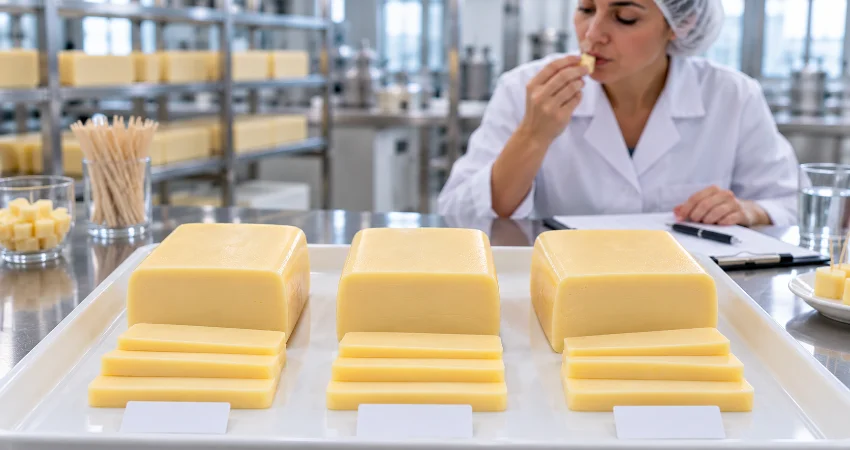
How to Manage Aroma Intensity in Cheese? Sacco Lyofast BGP 1

Aroma intensity in cheese develops during ripening, separately from the acidifying role of the starter culture, and it can drift from batch to batch. Sacco Lyofast BGP 1 is a controlled adjunct culture containing a single selected Lactobacillus paracasei strain. It is used in semi-hard, hard, soft and fresh cheese lines to deliver aroma depth during ripening and flavour control without touching starter acidity.

Read more →

What Are NSLAB and Adjunct Cultures, and Why Are They Used in Cheese?

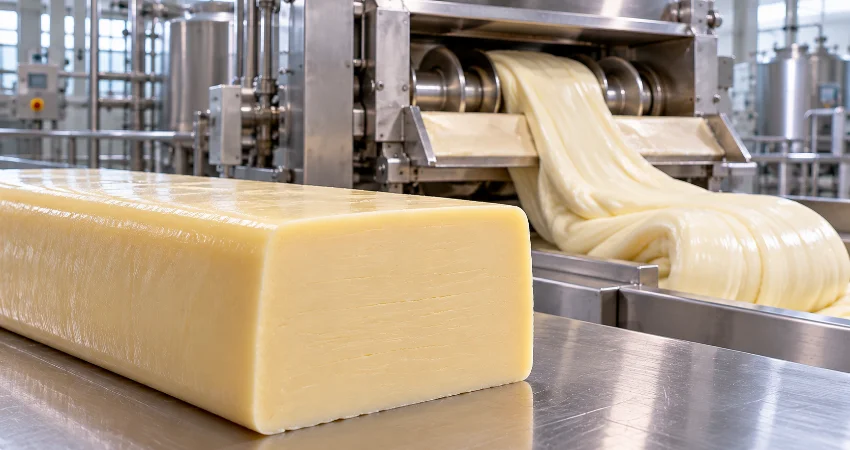
In industrial cheese production, starter cultures are the main drivers of pH reduction, curd formation and baseline acidity. However, the aroma depth, control of secondary flora and consistency of product character expected during ripening cannot be guaranteed by the starter alone. NSLAB (Non-Starter Lactic Acid Bacteria) and adjunct cultures are designed to manage flavour and microflora balance in the cheese matrix without interfering with the acidification role of the starter. Sacco Lyofast BGP 1 is a freeze-dried adjunct that fills this role with a selected Lactobacillus paracasei strain.

Read more →

Temperature Fluctuations in Logistics & Distribution: Shielding Fermented Dairy Against Cold Chain Failures

For a food engineer or dairy plant manager, releasing a batch of yogurt or cheese that has passed 100% of internal quality and microbiological tests is only half the battle. The moment products are loaded onto transport trucks, transferred to distributor warehouses, or placed on retail shelves, direct operational control ends. Micro-fluctuations in temperature throughout logistics chains represent the single largest contributor to premature spoilage and massive financial losses in the dairy sector.

Read more →

Shelf Life Stabilization and Yeast-Mold Management in Yogurt and Fermented Milks

In-pack spoilage stands as one of the primary Quality Assurance (QA/QC) challenges threatening commercial success in yogurts, strained yogurts, and fermented milk products. Swelling of packaging (gas formation), surface mold proliferation, and premature rancidity on retail shelves lead to costly product returns and damage to brand reputation. While traditional starter cultures ferment milk to form the desired curd, they cannot independently protect against opportunistic post-contamination yeast and mold spores introduced during filling and packaging. Under strict Clean Label guidelines where chemical preservatives are restricted or unwanted, bioprotection has become an essential industrial standard.

Read more →

Saying Goodbye to Chemical Preservatives: The Era of Clean Label in Dairy Products

A radical shift is occurring in the modern food industry and consumer behavior. Consumers are now carefully scrutinizing the back labels of the foods they buy; they no longer want to see chemical codes, E-numbers, or synthetic preservatives like potassium sorbat or natamycin. For dairy producers who want to secure a sustainable market share, "Clean Label" has evolved from a mere trend into a strict industrial necessity. However, completely removing chemical preservatives from the recipe leaves dairy products—especially yogurt and cheese—vulnerable to yeast and mold contamination during ripening and throughout their shelf life. This is exactly where bioprotection technology steps in to assist food engineers.

Read more →

Natural Solutions in Cheese Surface Applications: Preventing Mould with Spray Technology // Sacco Lyofast LPR A Protective Culture

A modern bioprotection protocol that eliminates yield loss caused by mould and yeast in ripened cheese processes, without requiring natamycin or chemical preservatives. One of the most significant technological challenges in ripened cheese production is the uncontrolled growth of yeasts and moulds on the cheese surface due to high relative humidity and air circulation in ripening rooms. These microbiological alterations on the rind not only lead to aesthetic issues but also cause undesirable off-flavors and high mechanical scraping losses. Applying the Sacco Lyofast LPR A protective culture onto the cheese surface via spraying is an innovative approach that solves this issue through entirely biological means.

Read more →

Viscosity Stability in Cheese and Dairy Sauces: Fluidity Engineering with SYROFOS®

In processed cheese sauces, dip sauces, and formulated dairy-based sauces—one of the fastest-growing categories in the convenience food and Horeca sectors—the most critical obstacle faced by R&D engineers is time-dependent viscosity degradation. The silky, glossy, and smooth fluidity targeted during the recipe design phase can rapidly deteriorate due to temperature fluctuations after the product hits retail shelves or once the packaging is opened. Phenomena such as curdling, excessive thinning, or age-gelation inside the sauce matrix severely damage consumer perception and brand equity.

Read more →

Slicing Defects in Block and Toast Cheeses: Flawless Matrix Elasticity with SYROFOS®

In industrial processed and toast cheese manufacturing, the ultimate test of success achieved in the melting cooker takes place on the slicing and packaging lines. One of the most common physical defects faced by production managers and line supervisors is the cracking, breaking, blade-sticking, or overly rubbery and dry texture of cheese blocks during the slicing cycle. These structural flaws not only result in high waste rates and line inefficiencies due to frequent halts, but also directly compromise the homogeneous stretching and elasticity performance that consumers demand on the grill.

Read more →

The Chemistry of Flawless Emulsion: How to Prevent Free Oil Separation and Phase Variance in Processed Cheeses

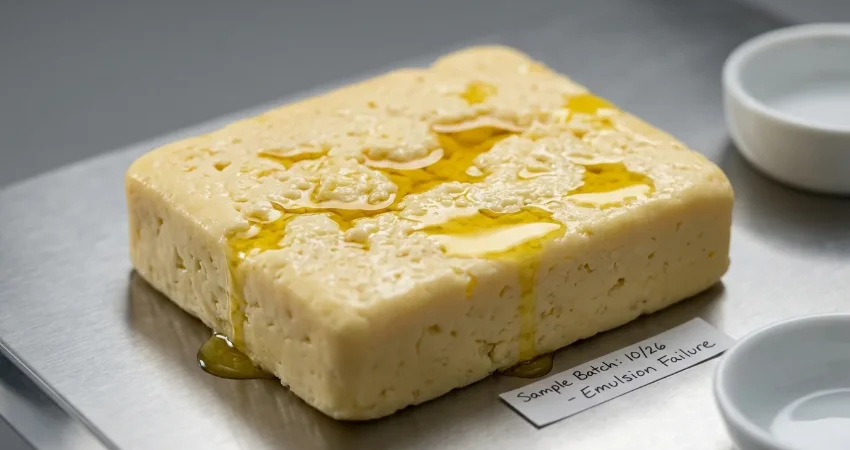
In production lines manufacturing processed, block, or melted cheese, one of the most critical technical crises faced by food engineers and production managers is free oil separation (oil-off). As the temperature rises in the melting cooker, the casein matrix fails to retain the fat, resulting in a yellow, shiny oil layer on the surface. This situation not only ruins the smooth appearance of the final product but also leads to oil leakage inside the packaging, a grainy or crumbly texture, and direct yield loss. So, is this phase separation inevitable, or is it the result of mismanaging the protein matrix at the molecular level?

Read more →

Control of Syneresis (Water Separation) and Post-Acidification in Yogurt and Fermented Milk

In the yogurt, ayran, and fermented dairy products industry, the primary elements determining consumer satisfaction are a smooth texture, ideal viscosity, and a flavor profile that remains stable throughout the shelf life. Post-production chronic quality defects—especially during storage and logistics—such as water separation (syneresis) or an unwanted sharp sourness caused by rising acidity inside the packaging (post-acidification), are among the most challenging issues faced by manufacturers.

Read more →

Prevention of Sedimentation and Phase Separation in UHT and Pasteurized Milk

In industrial dairy processing, especially in the production of long shelf-life UHT milk and pasteurized drinking milk, the greatest quality benchmark is for the product to maintain its physical and sensory structure throughout its shelf life just like on day one. However, chronic defects encountered as storage progresses—such as phase separation, sediment formation at the bottom of the packaging, and premature bitterness—not only damage brand image but also lead to severe commercial returns.

Read more →

Methods for Increasing Cheese Yield Through Pre-Maturation and Casein Stabilization in Raw Milk

In the dairy industry, economic sustainability and profitability depend directly on the quality of the processed raw material and the curd yield obtained from it. Recent fluctuations and increases in global milk prices have made it mandatory to preserve the value of every single liter of milk processed in dairies to the maximum extent. Considering that milk costs constitute a major share of 60% to 80% of total cheese production costs, preventing the loss of protein into the whey and fully protecting casein fractions are the most critical priorities.

Read more →

Instant Sanitation Verification in Dairy Plants: ATP Bioluminescence Testing Protocol

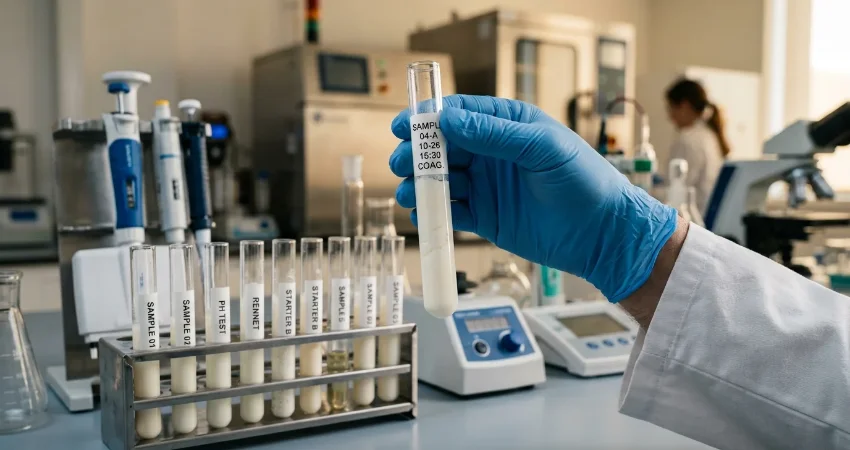
The 48-hour incubation periods required by traditional microbiological testing loops directly compromise the critical shelf life of fresh dairy products. Halting production lines or executing blind startups while waiting for laboratory results exposes dairy plants to severe contamination hazards and product recall risks. Invisible biofilm layers and milk stones present constant hidden dangers within internal surfaces. CleanTrust® Hygiene Monitoring Solutions resolve this bottleneck by quantifying organic residues across all critical nodes—from raw milk reception to filling heads—in just 15 seconds, providing an objective, data-logged verification framework fully compliant with HACCP and ISO 22000 standards.

Read more →

Unlocking the Potential of Raw Milk with PerforMilk®

In the dairy industry, maintaining raw milk protein quality between milk reception and processing is the primary determinant of plant profitability and process sustainability. In today's market, where raw milk costs account for a massive 60% to 80% of total cheese production expenses, even minor protein degradation can trigger severe financial losses. Formulated as a patented natural solution that integrates directly into early milk preparation loops, PerforMilk® by Sacco System® restricts casein breakdown to deliver exceptional cheese yield improvements.

Read more →

A New Standard of Safety in the Dairy Industry: Antibiotic Residue Management with Seconbio

Milk has been a cornerstone of human nutrition for centuries; however, the safety of this precious resource faces serious threats in modern production processes. Antibiotic residues in milk do not only risk public health but also directly undermine the production efficiency of dairies. At Seconbio, we guarantee the purity of your milk at every step—from the farm to the processing plant—with our next-generation rapid test kits that meet global testing requirements.

Read more →

The Art of Stretching and Scalding: The Chemistry of Perfect Fiber Structure

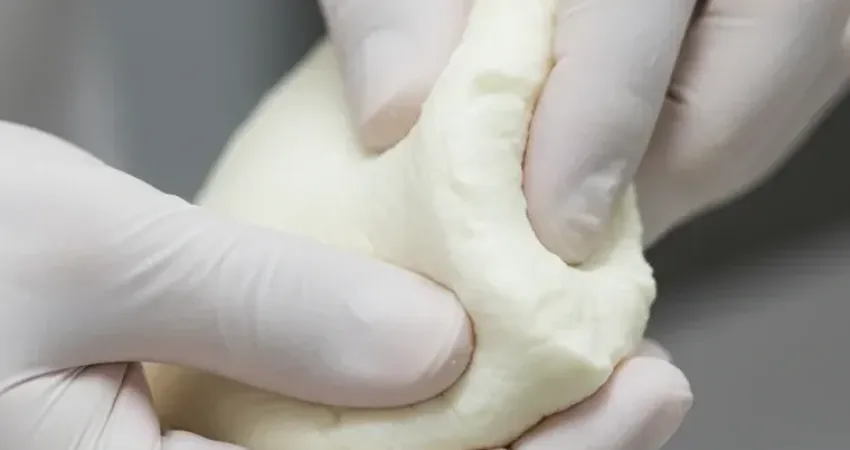
The basic characteristic that distinguishes Pasta Filata (stretched curd) type cheeses from others is the elasticity the curd acquires through the combined effects of hot water and acidity. However, this "flexibility" is no coincidence; it is the result of intervention at the right time, the right temperature, and most importantly, the correct pH value. At Sacco System, we provide the technical precision and stability that turns this process into an art form.

Read more →

Ideal Performance in Pizza Cheese: Controlling Browning and Oil Free-Off

For a pizza cheese manufacturer, the ultimate challenge lies in the product's performance the moment it leaves the oven. Consumers and chefs expect a homogeneous melt, an appetizing golden-yellow color, and a fibrous, stretching texture. However, issues such as uncontrolled browning (burning), excessive oiling-out, or poor melting can overshadow product quality. At Sacco System, we offer specialized culture and enzyme solutions designed to help you overcome these challenges and achieve excellence in baking performance.

Read more →

The Natural Guardian of the Food Industry: What is Nisin and How is it Used?

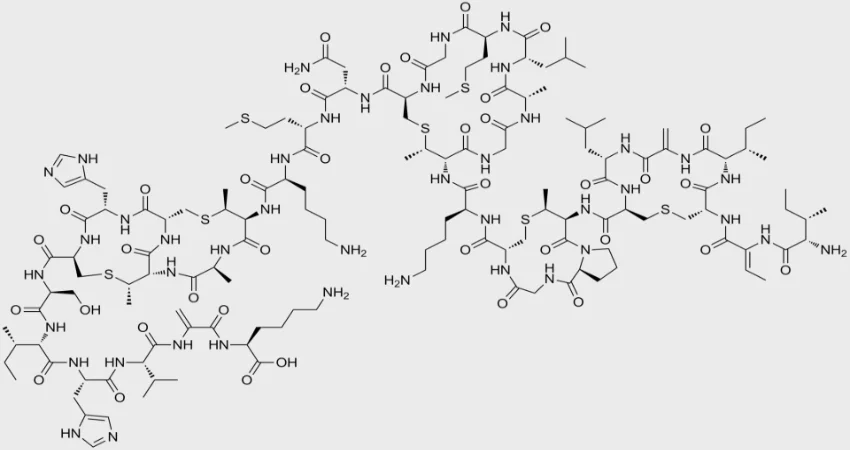
Food safety is one of the most critical steps in modern production processes. As consumer demand for "clean labels" and additive-free products increases, chemical preservatives are being replaced by natural alternatives. Leading these alternatives is Nisin, which is the first substance that comes to mind when discussing "natural preservatives" due to its superior performance against bacteria.

Read more →