




Perfect Creaminess in Spreadable Processed Cheeses: Texture Management with Phosphate Salts
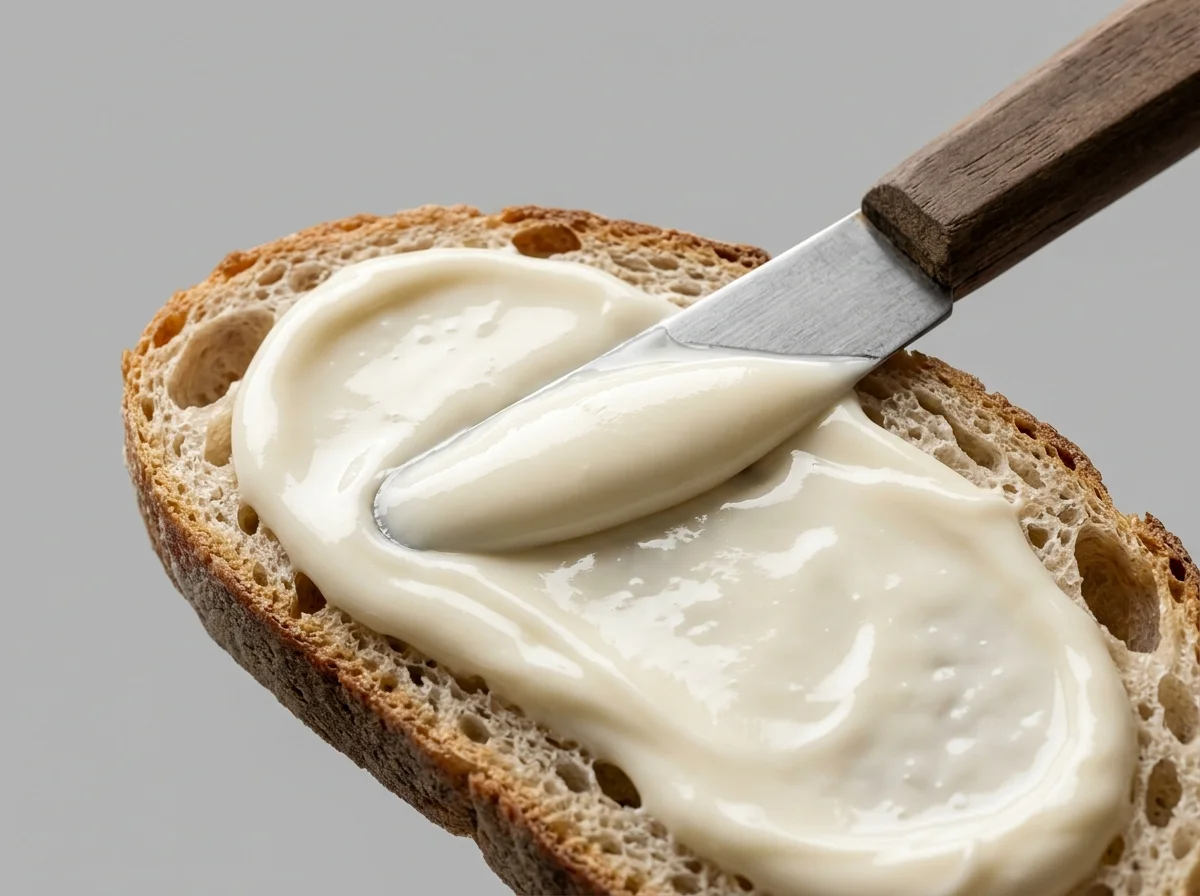
In the production of spreadable processed cheese, there is a single criterion that determines consumer loyalty: Texture. The softness as the cheese is spread on bread, that silky mouthfeel, and its glossy appearance... Achieving this perfect balance depends on reshaping the structure of the raw cheese (such as white cheese or kashar) with Fosfa’s advanced technology emulsifying salts.
Related Products

1. Ion Exchange: From Hard Cheese to Soft Cream
The "Ion Exchange" column in our product table is the heart of this process.
-
The Process: The calcium bridges that hold casein molecules together are dissolved in a controlled manner by Fosfa salts (e.g., Cremosal SF2 or ST14).
-
The Result: The cheese matrix relaxes, and the fat-water phases bind together without separation. This guarantees that the product remains smooth throughout its entire shelf life.
2. What is the "Cream Effect"?
Star products in our lineup, such as Cremosal ST14, do more than just melt the cheese; they impart a "Medium-Strong" level of creaminess.
-
The Benefit: In cheese sauces or spreadable products, it creates a full-bodied texture without leaving a greasy feeling in the mouth. It gives the final product a diamond-like brilliance.
3. pH Management and Stability
The "pH Change" values in our table indicate how each variant affects the final acidity of the product.
-
Stability: Selecting the correct Fosfa variant prevents the product from hardening or losing its structural integrity during storage. With stability-focused options like Syrofos 495, the same "spreadability" is maintained from production to consumption.
Why the Fosfa Series?
-
Versatility: It offers an ion exchange power suitable for every recipe, from white cheese-based spreadable blends to high-temperature resistant cheese sauces.
-
Quality: Produced according to German and Czech Republic manufacturing standards, meeting the strictest food safety requirements (HACCP).